To offer you the best service, this website uses functional cookies and cookies for gathering statistics and displaying videos. By clicking "accept" you give your consent.
To optimally develop our research perspectives, we created four thematic research clusters that group our present and future research projects. These clusters were developed partly for practical, pragmatic reasons and partly for strongly substantive reasons. The division into clusters helps us to organize our projects and promote interrelatedness within and between clusters. Together, these clusters form the building blocks of our Global Labour History programme.
Since many projects fit into more than one cluster, and researchers figure in more than one cluster at the same time, synergy between clusters is guaranteed. This set up stimulates discussions about the theoretical principles of the various projects within a cluster and of the overall research programme. Of course, there are all kinds of interrelationships between the projects in the four clusters; after all, they are all part of the larger, overarching Global Labour History research programme.
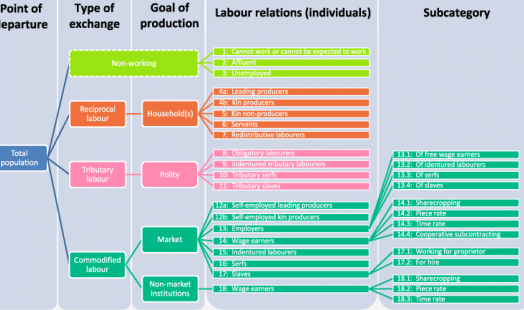
We study all types of work and labour relations. How are they interrelated, how can we explain the changes in labour relations and what are the effects of these changes on workers, their position and social inequality?
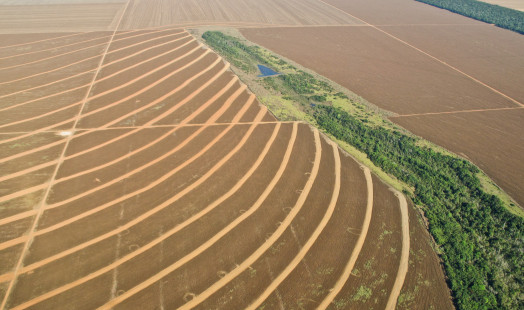
Projects in this cluster focus on commodity frontiers: What are the consequences of commodity extraction, production, exchange and consumption on labour relations, natural assets and the environment?
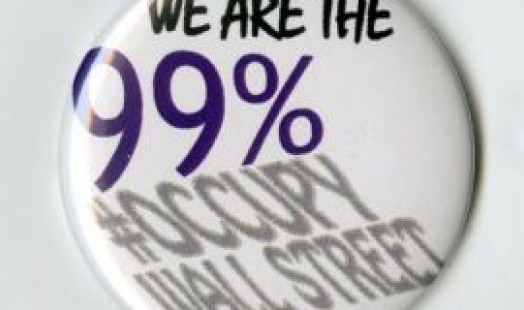
In this cluster we study various forms of social and economic inequality. Some projects address categorical /durable inequality in relation to labour relations, other projects study unequal regional demographic, economic and infrastructural developments.
How do people perceive their position and social inequality and how do they try to change their situation individually and collectively? Projects look at individual life courses, social mobility, collective action and the trade union movement.