We gebruiken cookies op onze website om het gebruiksgemak te vergroten, statistieken bij te houden en voor het tonen van podcasts en videos. Door deze melding te accepteren, ga je akkoord met het plaatsen van cookies.
We werken omdat het moet, maar ook omdat we het leuk vinden: als sinds we jager-verzamelaars waren, meer dan 700.000 jaar geleden, tot in de huidige tijd van zoomvergaderingen hebben mensen altijd gewerkt om ervoor te zorgen dat de wereld waarin ze leefden hun behoeften vervulde.
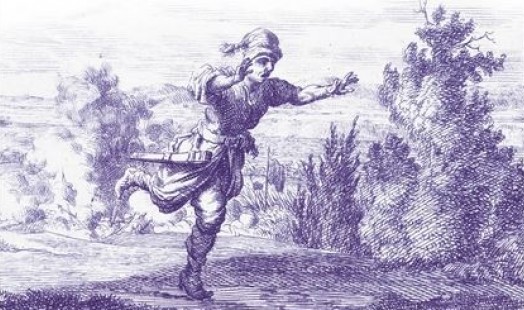
We can safely assume that from 1500 to 1650 much of the world’s population worked to earn their living. Though we know roughly what kind of tasks people performed, we know surprisingly little about their perception of work.
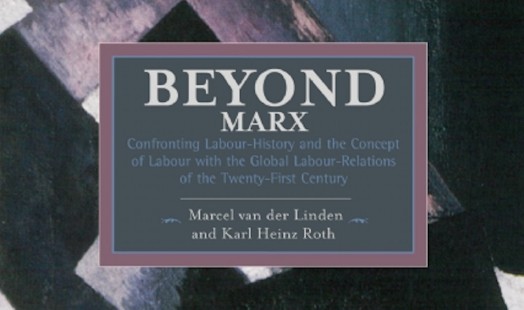
Linden, M. van der & K. H. Roth (eds.),Beyond Marx. Theorising the Global Labour Relations of the Twenty-First Century (Leiden and Boston, Brill, 2013).
Lucassen, J., ‘Deep monetization, Commercialization and Proletarianization . Possible links, India 1200-1900’, in: S. Bhattacharya (ed.), Towards a new history of work (New Delhi 2014) 17-55.
Rossum, M. van & K. Fatah-Black, ‘Beyond profability. The Dutch Transatlantic slave trade and its economic impact’, Slavery and Abolition 36 (2015) 1, 63-83.