Netwerk V bulletin - 2
How can we promote gender equality, starting with the ICT and cleaning sectors? This question is at the heart of the ‘Women Forward with Netwerk V’ project, a collaboration between the FNV trade union and the IISG, which will run until the end of 2027.
In the previous Netwerk V bulletin, the ICT sector took centre stage. This time, we focus on women working in the cleaning sector. To explore this, we spoke with Caroline Lamberts. As a board member for the cleaning sector at the FNV, she leads collective labour agreement (CLA) negotiations. In addition, she addresses issues faced by cleaners in the Rotterdam, The Hague and Utrecht regions. From this position, she has a clear understanding of what is happening among cleaners and acts as a link between the sector and the project.
What challenges does Caroline identify for the Network? “There are huge differences within the cleaning sector when it comes to views on emancipation. Some women, for example, are not even aware that it is not normal for women to earn less than their male colleagues,” Caroline explains.
A lack of financial resources and varying language proficiency levels also make it complex to establish a network. “You can’t expect cleaners from Groningen to travel to Utrecht at their own expense for a network meeting, no matter how motivated they are,” says Caroline. Because many women have a migrant background, reading and writing in Dutch can be difficult. For this reason, the project makes extensive use of plain language combined with visual materials.
Gender inequality
Examples of gender inequality in the cleaning sector are numerous and troubling, Caroline observes in her work. For instance, women are less likely to have their contracts renewed, and male colleagues do not always accept female supervisors, limiting women’s opportunities for advancement. Moreover, many women in the cleaning sector are informal carers, meaning that in addition to their paid work, they also have responsibilities outside working hours.
Due to differing levels of emancipation, not all women recognise this as a problem. Caroline predicts: “Compared to the ICT sector, we have a much longer way to go, because there is still a great deal of awareness-raising to be done.” It is therefore now the task of the project staff to help women realise that they do not have to accept gender inequality. “If you want to activate people, they need to be intrinsically motivated,” Caroline concludes.
Gatherings
Since the start of the project, several meetings have taken place at which women from the cleaning sector came together to set up the network. For instance, the cleaners discussed the obstacles they face using so-called ‘experience cards’. These are cards on which workplace situations are visually depicted, meaning that a lack of proficiency in the Dutch language did not have to be a barrier.
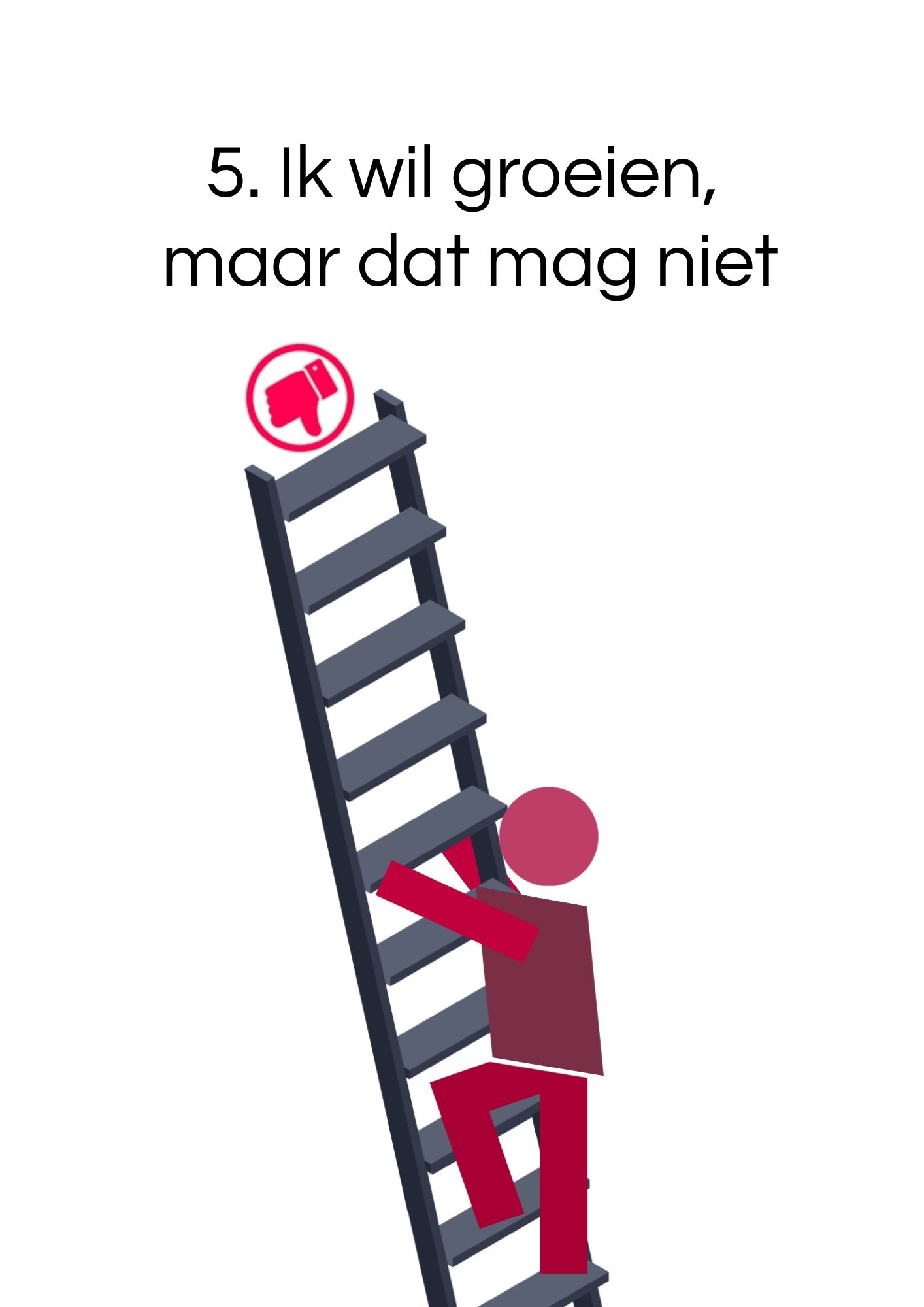
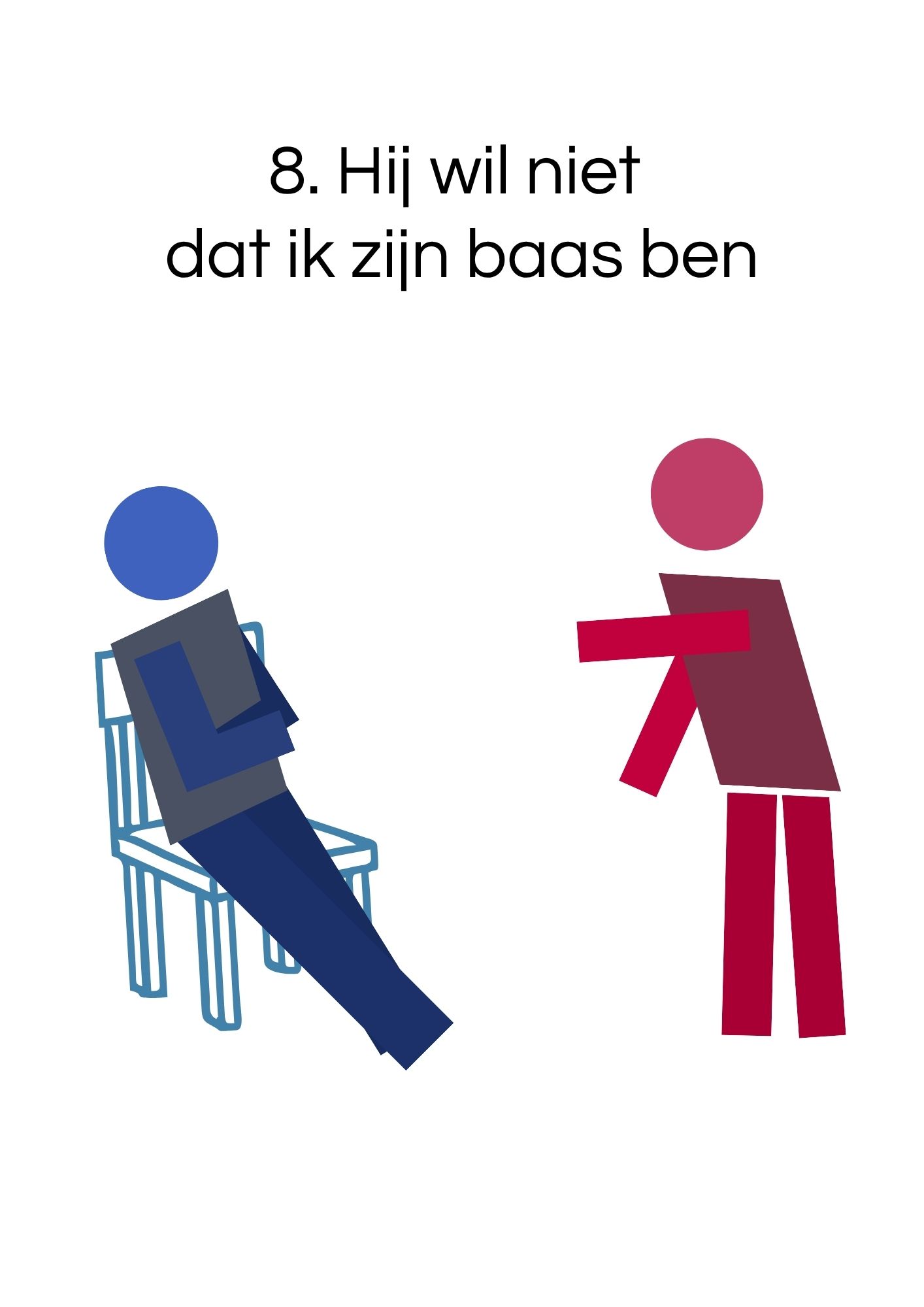
At the most recent meeting, the cleaners acted out workplace scenarios to experience what behaviour is acceptable and what is not. They then practised how to respond to unwanted behaviour. How do you stand up to a manager who refuses to accept a sick note or an organisation that expects you to work more hours than stipulated in your contract?
There was also time to discuss what the women would like to see addressed in collective bargaining negotiations: from period leave to higher wages and greater respect in the workplace. The meeting concluded with the decision to first strengthen the current network of around thirty cleaners, and then to expand the group.